DAR ES SALAAM
SURVEY SITES
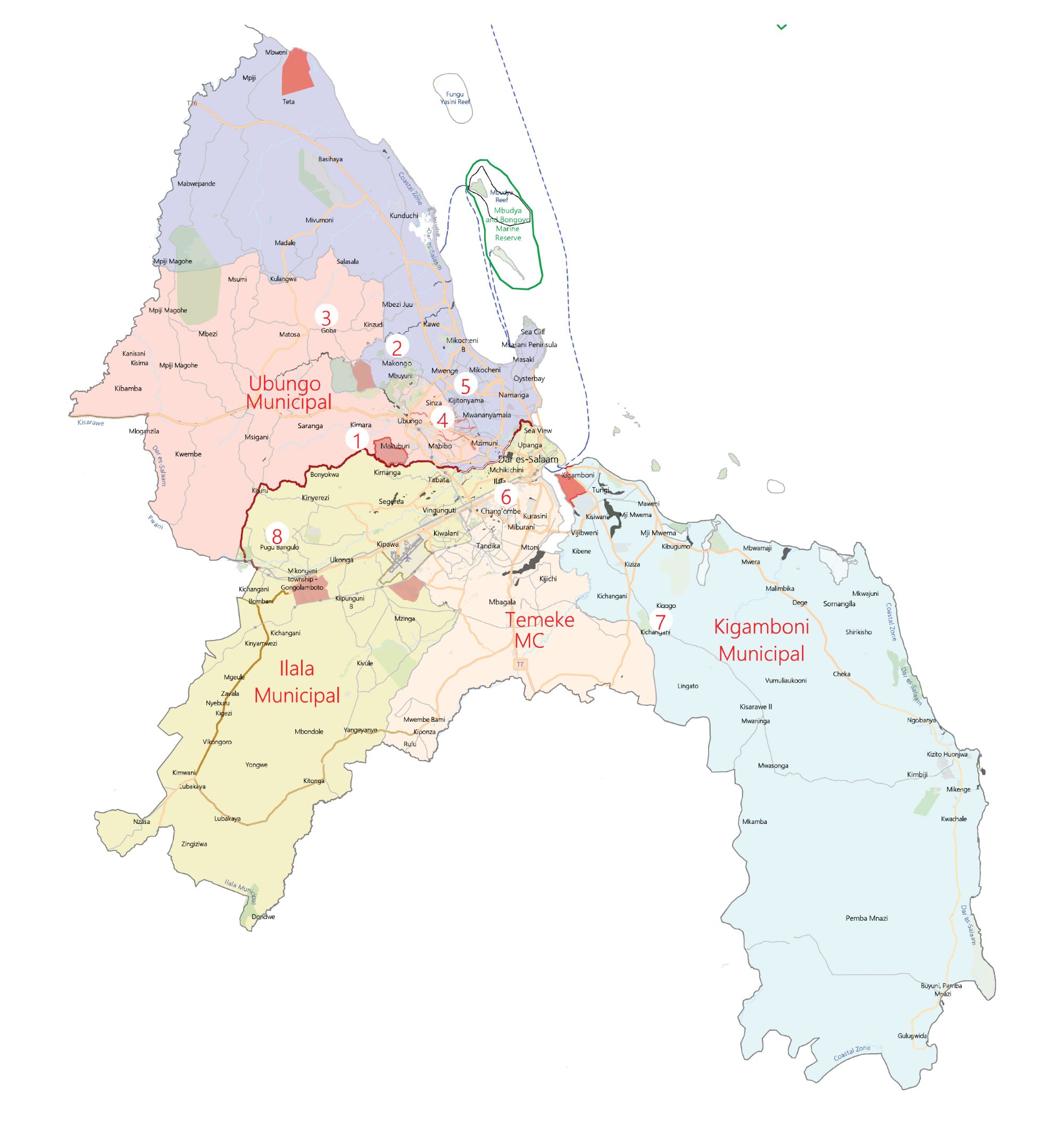
The chosen sites—Kimara, Makongo, Goba, Mwananyamala, Kigamboni, Pugu, and Ilala—represent Dar es Salaam’s varied urban conditions across different municipalities, topographies, and income levels. They range from dense, low-lying urban zones to elevated, greener peri-urban areas and coastal settlements. This diversity captures contrasts in housing quality, materials, and exposure to mosquito breeding environments, providing a holistic understanding of how geography, urban form, and socio-economic context influence mosquito penetration and malaria risks in Dar es Salaam’s housing.
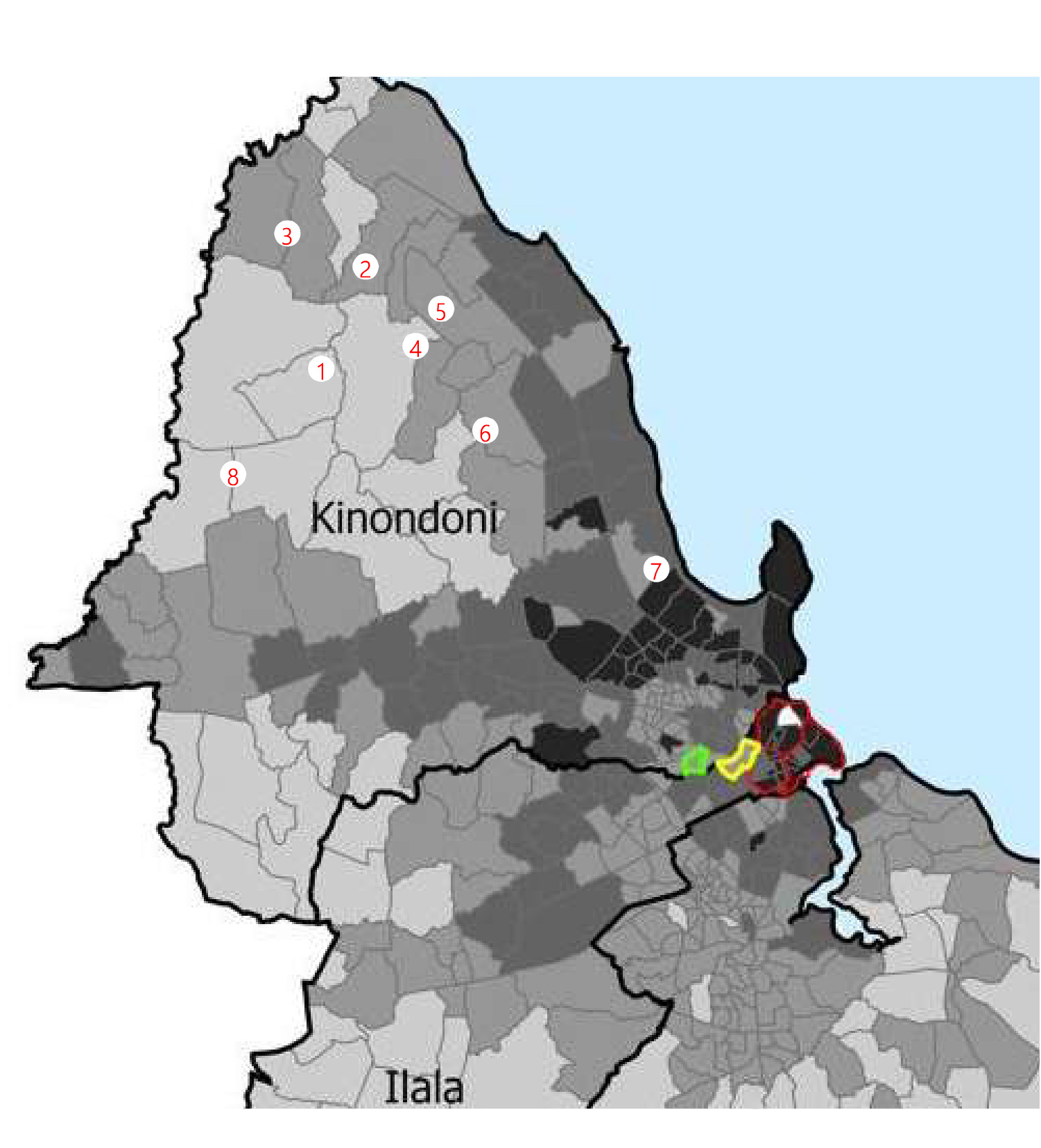
The study sites in Dar es Salaam are characterized by households of generally low to middle income. Most residents engage in informal or small-scale economic activities such as petty trade, transport services, food vending, and casual labour. Monthly household incomes tend to be unstable and often fall below the national urban median, influencing investment in housing improvements and mosquito-prevention measures. Limited financial capacity affects the ability to install window screens, repair damaged housing elements, improve drainage systems, or consistently purchase mosquito-control products. As a result, income constraints directly affect household vulnerability to mosquito exposure in the area.
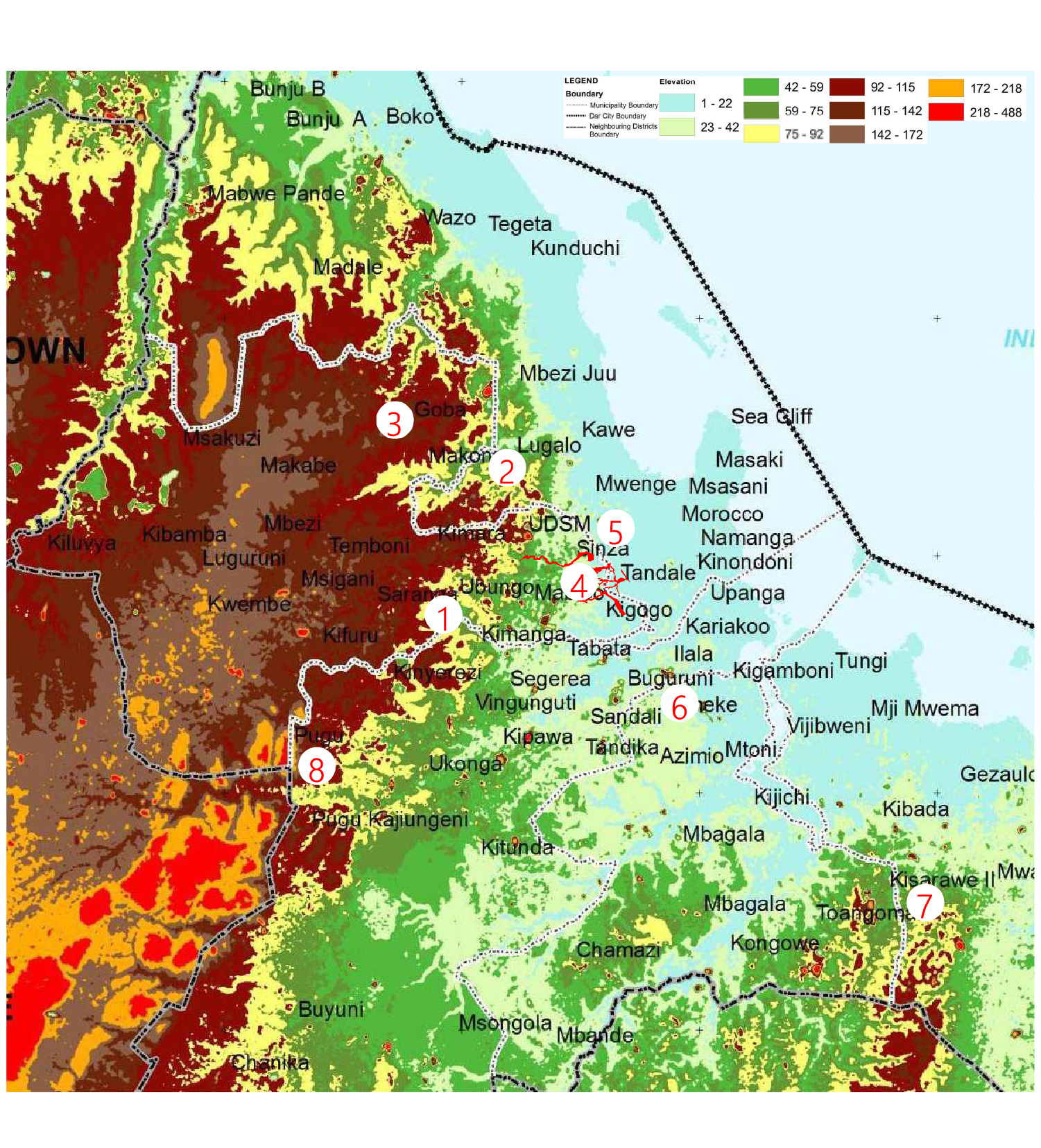
The selected areas of Dar es Salaam lie within a low-lying coastal plain characterized by flat to gently undulating terrain. Elevations are generally modest, and much of the landscape is poorly drained, especially during the rainy season. The combination of compacted soils, inadequate stormwater systems, and proximity to wetlands or seasonal depressions leads to frequent pooling of stagnant water. The coastal climate, marked by high temperatures and humidity throughout the year, further enhances vector survival and activity. These physical conditions significantly shape the mosquito ecology observed in the study sites.
IFAKARA
SURVEY SITES
In Ifakara, the study focused on two major locations, Ifakara Mjini and Mlabani. The town is the headquarters of Kilombero district, and fulfils, inter alia, important administrative, marketing, service, and related functions not only for the district but also for other bordering districts, especially Ulanga district. The town is one of the important Tanzania and Zambia Railway Authority’s (TAZARA) stations, making it easily accessible from Dar es Salaam, Mbeya. and Zambia. It is also along the main road from Mahenge and Malinyi to Kilombero, Mikumi, Morogoro and Dar es Salaam.
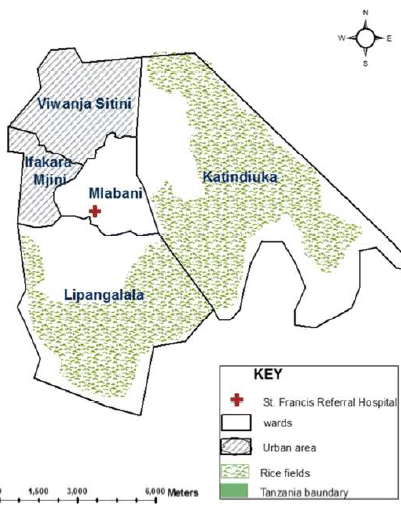
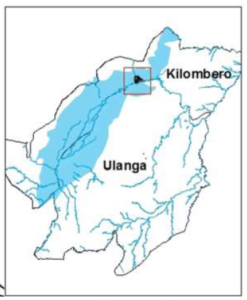
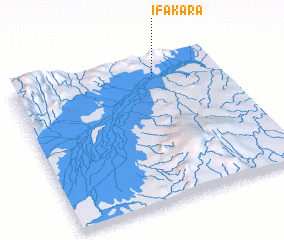
Ifakara, is a primarily rural, growing town characterized by a reliance on subsistence agriculture, high rates of poverty, and an increasing reliance on informal, non-farm income sources. The area’s flat topography and proximity to the Kilombero River, making them highly prone to waterlogging, especially during the rainy season, when floodwaters temporarily surround many homes. The findings reveal a strong link between flood vulnerability, poor construction detailing, and mosquito infestation.